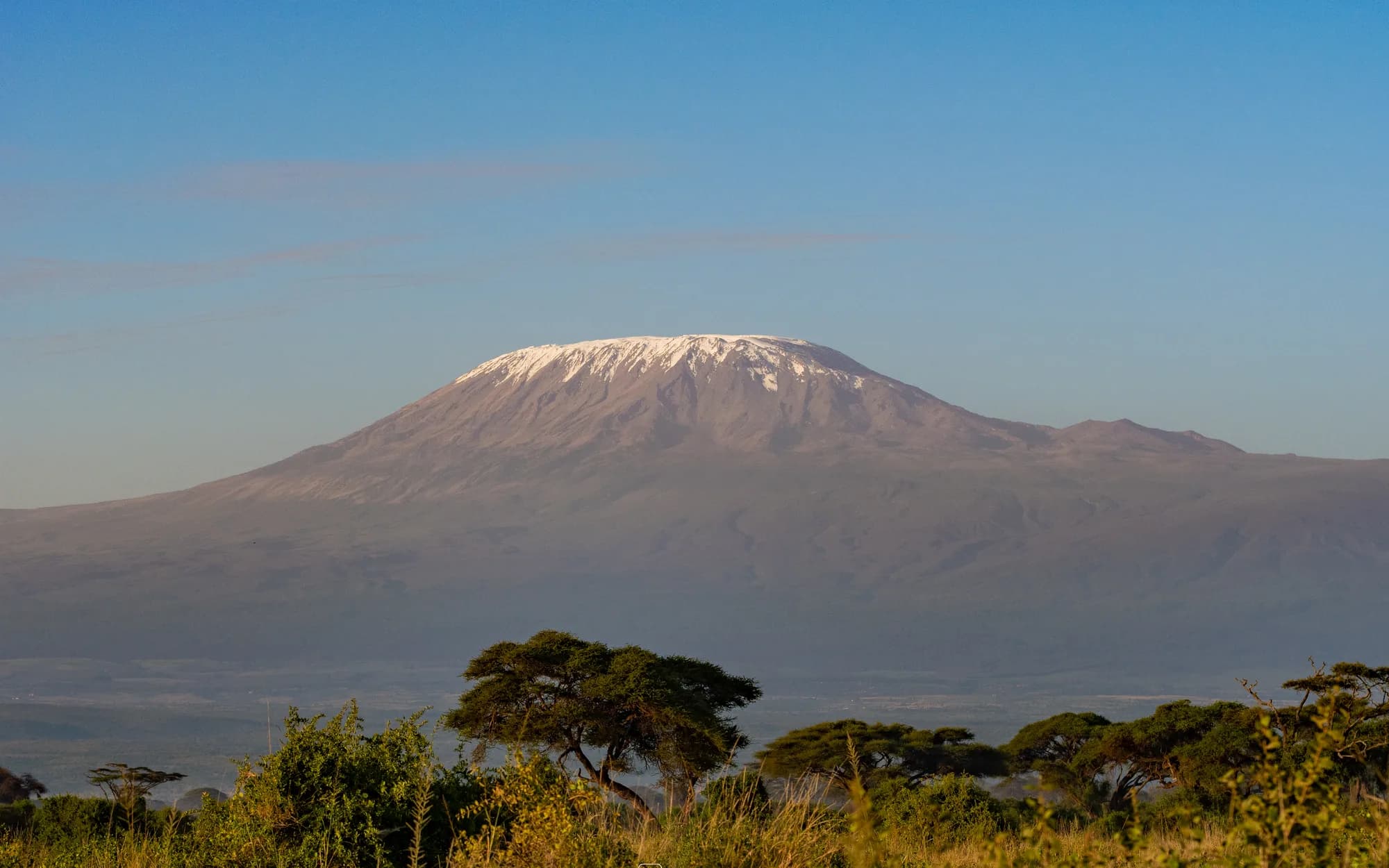
Kilimanjaro routes compared: Marangu, Machame and Lemosho
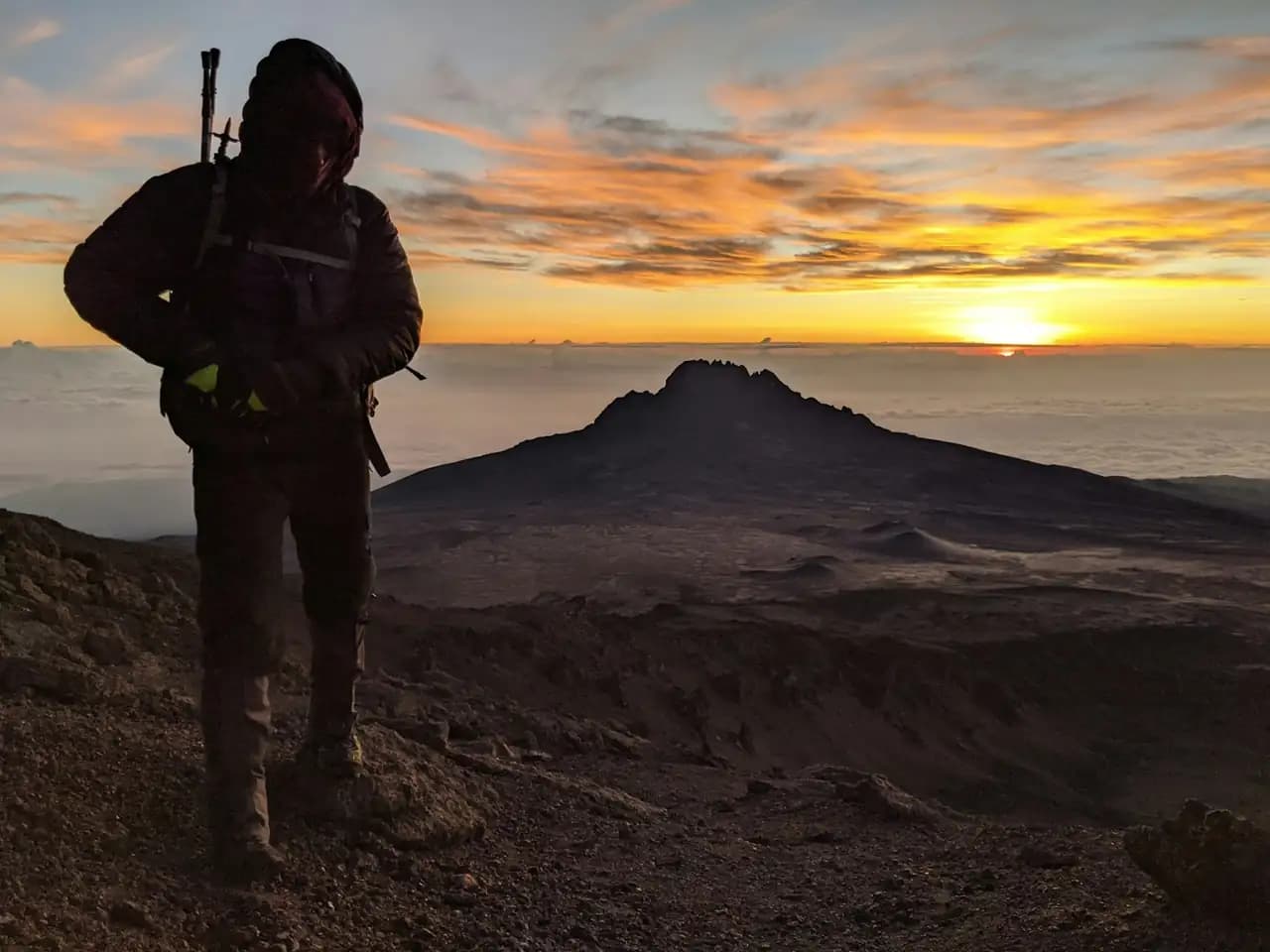
Four routes go up Kilimanjaro on our books, and the honest answer to "which one should I take" is that it depends on two things: how many days you can give the mountain, and whether you would rather sleep in a hut or a tent.
Here is the whole picture in one table, with our published starting prices.
| Route | Days | Sleeping | Starting price | Best for |
|---|---|---|---|---|
| Marangu | 5 | Huts | USD 1,880 | The tightest budget and schedule |
| Marangu | 6 | Huts | USD 2,000 | Huts, plus a day to acclimatise |
| Machame | 7 | Tents | USD 2,190 | Scenery, and the most popular choice |
| Lemosho | 8 | Tents | USD 2,375 | The best chance of reaching the summit |
Why the extra days matter more than the route
Altitude sickness, not fitness, is what turns most people around. The single biggest thing you can do about it is give your body more time between sleeping heights. That is why the 8-day Lemosho has the highest success rate of the four and the 5-day Marangu the lowest — it is the same mountain, climbed at a different pace.
If your budget stretches to the extra days, spend it there rather than on anything else.
Marangu — the huts route
Marangu is the only route where you sleep in huts rather than tents. That makes it the most comfortable option in bad weather and the easiest to pack for, and it is why it remains popular with first-time trekkers.
The trade-off is that you ascend and descend by the same path, so you see less, and the 5-day version gives you very little acclimatisation. If you can afford one more day, take the 6-day version. It is a small price difference for a noticeably better chance of standing on the summit.
Machame — the scenic one
Machame is steeper and harder than Marangu, and considerably more beautiful. It follows a "climb high, sleep low" profile that helps acclimatisation, crosses several distinct landscapes, and takes you past the Barranco Wall, which is the photograph everyone comes back with.
It is the busiest route on the mountain. If solitude matters more to you than scenery, this is not your route.
Lemosho — the quiet one with the best odds
Lemosho starts on the western side, sees far fewer people in its opening days, and has the most gradual profile of the four. Over eight days that adds up to the best summit success rate we run.
It is the most expensive of the four, and it is the one we recommend most often to people who have travelled a long way and want to give themselves the best possible chance.
What the price includes
All four are full-board on the mountain, with park fees, hut or camping fees, your guide and porter team, and transfers. What sits outside the price is international flights, visas, personal gear, tips and travel insurance.
East African resident rates are available on request.
Picking one
- You have five days and a firm budget — Marangu 5.
- You want huts but better odds — Marangu 6.
- You want the scenery and do not mind tents — Machame 7.
- You want the best chance of the summit — Lemosho 8.
If you are still unsure, tell us how many days you have and we will tell you which of the four we would actually put you on.
Common questions
Which Kilimanjaro route has the highest success rate?
The 8-day Lemosho route. Its longer profile gives you the most time to acclimatise, and altitude rather than fitness is what stops most people reaching the summit.
Is Kilimanjaro in Kenya or Tanzania?
Kilimanjaro is in Tanzania, near the Kenyan border. Many climbers combine it with a Kenyan safari, but the mountain itself and its national park are Tanzanian.
How much does it cost to climb Kilimanjaro?
Our four routes start at USD 1,880 per person for the 5-day Marangu and USD 2,375 for the 8-day Lemosho. That covers park and hut or camping fees, full board on the mountain, your guide and porter team, and transfers. Flights, visas, personal gear, tips and insurance sit outside it.
What is the difference between Marangu and Machame?
Marangu sleeps in huts and goes up and down the same path. Machame sleeps in tents, is steeper, crosses more varied scenery, and follows a climb-high sleep-low profile that helps acclimatisation. Machame is harder; most people find it more rewarding.
Do I need climbing experience for Kilimanjaro?
No. All four routes are trekking routes with no technical climbing or ropes. What they ask for is several consecutive long days of walking at altitude, so general hill fitness and a sensible pace matter far more than any climbing skill.
How many days do I need for Kilimanjaro?
Between five and eight on the mountain. Five is the shortest we offer and the hardest on your body; eight gives the best summit odds. If you can spare the extra days, they are the best value in the whole trip.